
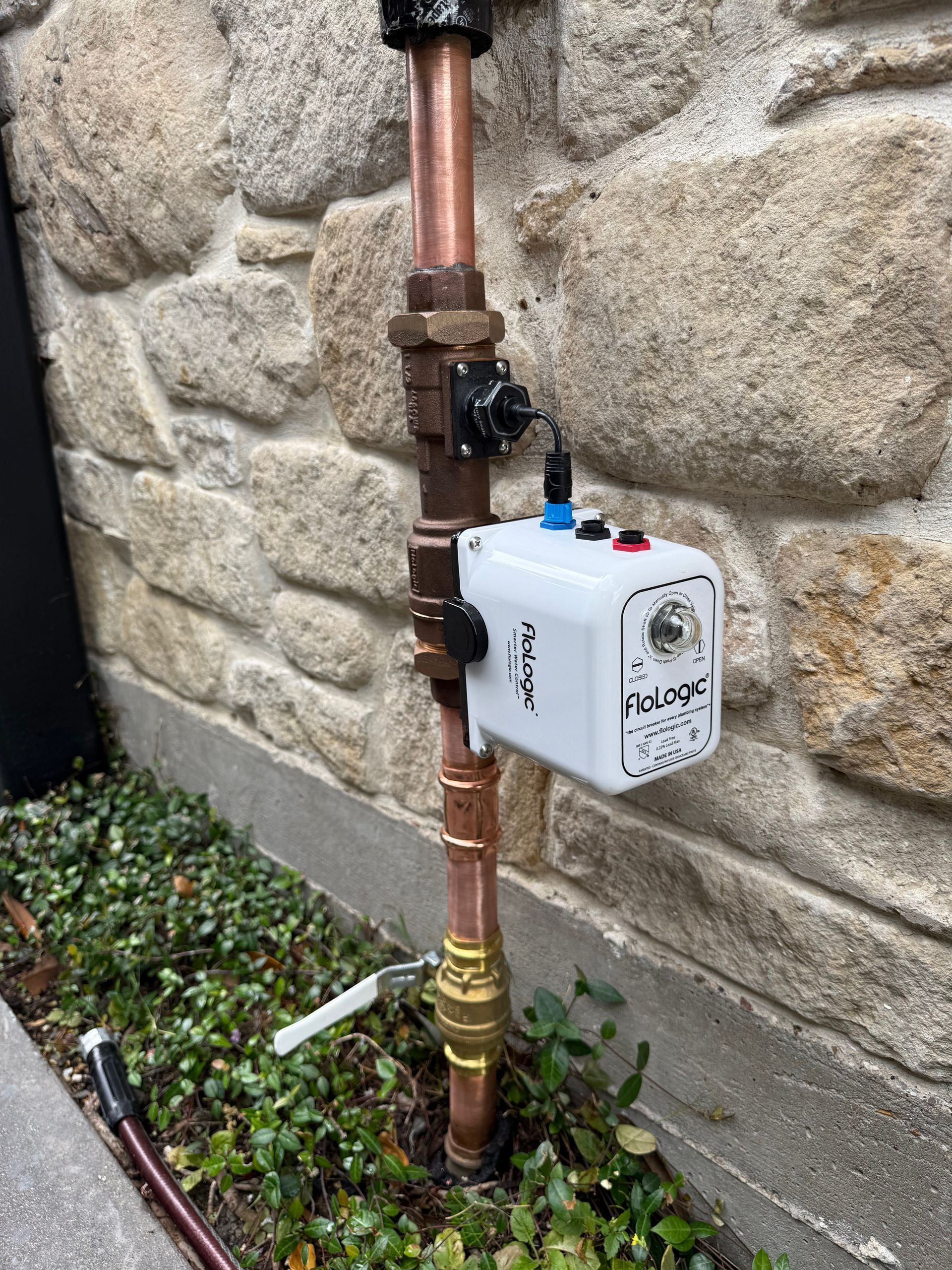
Hidden Leaks That Quietly Damage Foundations
Whole home leak detection in Katy for properties with unexplained water loss, rising utility bills, or walls that show no visible source
Katy's residential growth over the past three decades has produced a wide mix of construction eras—slab-on-grade foundations built in the 1980s and 1990s alongside newer PEX-plumbed subdivisions and older properties with copper supply lines that have passed the 30-year mark. Lifetime Plumbing LLC performs whole home leak detection for homeowners across Katy who are dealing with water loss that doesn't trace back to an obvious fixture failure. When a slab foundation home has a pressurized supply line running beneath the concrete, a pinhole leak can saturate the substrate for months before it registers at the surface.
The detection process involves isolating individual sections of the plumbing system and using pressure testing alongside acoustic listening equipment to pinpoint where water is escaping without opening walls or cutting concrete unnecessarily. Older copper lines in homes built before the mid-1990s are particularly susceptible to pitting corrosion at fittings and soldered joints, and those failure points are rarely in locations a visual inspection would catch. Lifetime Plumbing LLC works through the supply side and drain side separately, which matters because a slow drain-line leak and a pressurized supply leak produce different readings and require different locating methods.
Schedule a whole home leak detection assessment with Lifetime Plumbing LLC to identify exactly where water is leaving your system and what the repair scope involves.
How Leak Detection Works Before Any Wall Opens
Accurate leak detection starts with a pressure isolation test on the supply system—shutting off individual zones and watching for pressure drop on a calibrated gauge. If the pressure holds across isolated sections, the leak is narrowed to a specific branch, which eliminates guesswork before any physical access work begins. This sequencing matters because slab homes in Katy's older subdivisions often have multiple supply runs beneath the concrete, and locating the correct one before cutting saves both the floor covering and the slab.
Once the leak zone is confirmed, acoustic amplification equipment is placed against the slab surface to detect the sound signature of water escaping under pressure. What you notice after a confirmed detection and repair is a water meter that no longer moves when every fixture in the house is off—a straightforward test any homeowner can perform independently. Damp spots on flooring, soft areas in drywall near baseboards, and unexplained mold odor in closed rooms are the conditions that typically resolve once the source is addressed.
Whole home leak detection also covers the hot water recirculation lines and hose bib connections, which are overlooked in standard plumbing inspections but account for a meaningful share of slow water loss in properties with aging exterior plumbing. The service documents what was tested, what pressure readings were recorded, and where the leak was located, giving homeowners a clear record for insurance purposes or future repair planning.
What Homeowners Ask About the Leak Detection Process
Lifetime Plumbing LLC also performs whole home leak detection in Houston. To arrange a detection appointment and receive a written summary of pressure test results and leak location findings, contact Lifetime Plumbing LLC directly to set up a site visit.These questions reflect what comes up most often during whole home leak detection work in Katy, particularly in slab-foundation homes and properties with mixed plumbing materials from different renovation phases.
- What does pressure isolation testing actually involve? A technician shuts off water to specific zones using existing shut-off valves, then attaches a pressure gauge to monitor whether the system holds its reading over a set period. A drop in pressure confirms active water loss in that isolated section, and the test is repeated in progressively smaller segments until the leak zone is narrowed to a specific run of pipe.
- How does acoustic detection locate a leak under a concrete slab? Acoustic listening devices amplify the sound of pressurized water escaping through a pipe wall or fitting, which produces a distinct frequency pattern different from normal water flow. A technician moves the sensor across the slab surface and maps the signal intensity to triangulate the leak point before any concrete is disturbed.
- Why do older copper supply lines in Katy homes develop pinhole leaks at specific locations? Homes built between the late 1970s and mid-1990s frequently used flux-soldered copper fittings, and residual flux left inside the joint accelerates interior pitting over time. The failure typically appears at elbows and tee fittings rather than straight runs, because those locations collect flux residue during original installation.
- What should you do before the leak detection appointment to prepare the property? Clear access to the main shut-off valve and any sub-zone valves in the home, and note the locations where you've observed symptoms—discolored flooring, damp baseboards, or elevated water meter readings. That documentation helps the technician sequence the pressure isolation tests more efficiently and confirms whether the symptoms align with a supply-side or drain-side source.
- How do you confirm the leak has been fully resolved after the repair is completed? With the water supply restored and all fixtures closed, observe the water meter dial or digital display for a full 15 minutes without using any water in the home. A meter that reads zero movement during that window confirms no active pressurized loss remains in the supply system.
Lifetime Plumbing LLC also performs whole home leak detection in Houston. To arrange a detection appointment and receive a written summary of pressure test results and leak location findings, contact Lifetime Plumbing LLC directly to set up a site visit.