When Your Toilet Stops Working Right
Toilet Repair & Replacement in Houston for running toilets, persistent clogs, overflowing fixtures, and weak flushing that disrupts daily use
Lifetime Plumbing handles toilet repair and replacement in Houston for homeowners dealing with fixtures that leak, run continuously, flush weakly, or overflow without warning. These problems range from minor internal component failures to situations requiring a full fixture swap, and identifying which path makes sense depends on what's actually causing the issue. A toilet that runs constantly, for example, may only need a flapper or fill valve replaced—but one with a cracked porcelain base or repeated seal failures often costs more to keep patching than to replace outright.
The repair process starts with isolating where the problem originates—whether that's the fill valve, flush valve, wax ring, supply line, or the internal trap. For toilets that can be saved, a full rebuild is an option: replacing all internal tank components at once rather than addressing parts one at a time. For older or historically significant fixtures, Lifetime Plumbing also offers historic restoration options that retain the original fixture while bringing the internal mechanics up to reliable working condition. Replacement work involves selecting a properly sized unit for the rough-in measurement, ensuring the flange is in good condition before setting the new fixture, and verifying a watertight wax seal before reconnecting supply lines.
Schedule a service visit to have your toilet inspected and get a clear recommendation on whether repair or replacement is the right call for your situation..
What Proper Toilet Service Requires
A toilet repair done correctly addresses the root cause rather than masking symptoms. When a toilet runs, the sound you hear is water continuously escaping past a failing flapper or a fill valve that can't shut off at the right water level—both of which waste a significant amount of water over days and weeks. Clogs that return repeatedly often indicate a partial obstruction deep in the drain line rather than a surface-level blockage, which means cable augering the line rather than just plunging it at the bowl.
After a repair is completed, the toilet should fill fully and shut off cleanly, flush with consistent force, and show no moisture at the base or around supply connections. After a replacement, the fixture should sit flush against the floor without rocking—movement at the base after installation is one of the most common indicators that a wax ring wasn't properly seated or that the flange height wasn't accounted for before setting the toilet.
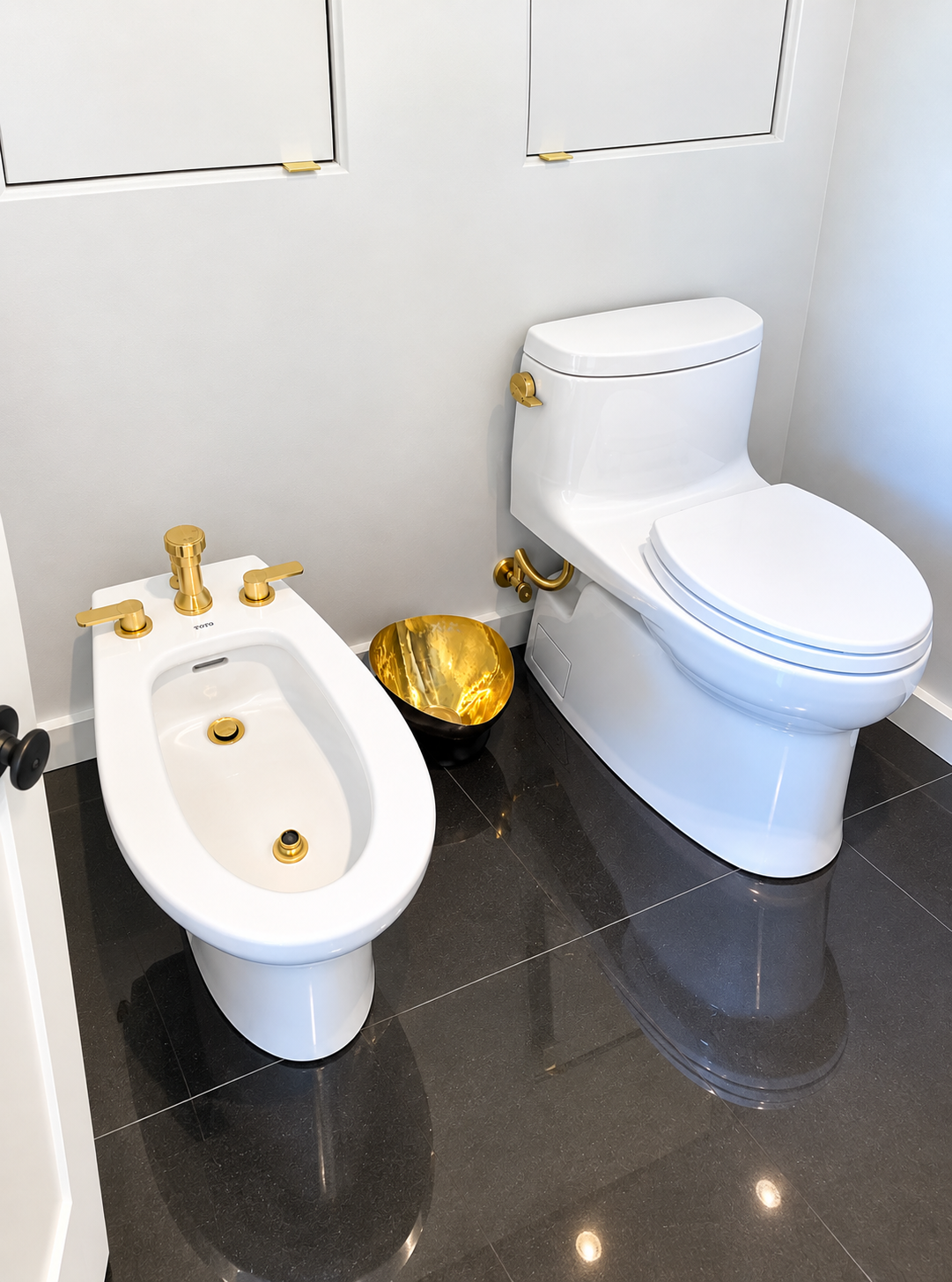
Emergency toilet service covers situations that can't wait—an overflowing toilet or a supply line that has separated needs immediate attention to prevent water from reaching flooring, subfloor, or walls. The approach for emergency calls focuses first on stopping water flow, then assessing what failed and why. For replacement projects, the choice of toilet also factors into the work: low-profile versus standard height, round versus elongated bowl, and single versus dual-flush all affect both installation requirements and long-term water usage..
Common Questions About Toilet Repair and Replacement
Below are answers to questions that come up regularly before and during toilet service calls in Houston.
- What is the difference between repairing and rebuilding a toilet? A repair targets a specific failed component, while a rebuild replaces all internal tank parts—fill valve, flush valve, flapper, and handle mechanism—at the same time, which eliminates the cycle of fixing one part only to have another fail shortly after.
- How do I know if my toilet needs a wax ring replacement? A wax ring failure typically shows up as moisture or discoloration at the base of the toilet, an odor near the fixture, or a toilet that rocks when you sit on it—any of these warrants pulling the toilet to inspect and replace the seal.
- Why does my toilet keep running after I replace the flapper? If a new flapper doesn't stop the running, the fill valve is usually the next component to check—a fill valve that's set too high or has a worn seal will allow water to spill into the overflow tube continuously regardless of flapper condition.
- When does Houston's older housing stock affect toilet replacement options? Homes built before the 1990s in Houston often have a 14-inch rough-in rather than the current standard 12-inch, which means not every toilet on the market will fit without a flange extension or an adaptor—measuring before purchasing a replacement saves a wasted trip.
- What makes a toilet historic restoration different from a standard rebuild? Historic restoration focuses on retaining the original porcelain fixture while replacing all serviceable internal components with modern equivalents that match the original operating pressure and tank volume requirements, preserving the look without sacrificing function.
Lifetime Plumbing can assess your toilet's condition on-site and walk you through whether a targeted repair, a full rebuild, or a replacement fixture makes the most sense based on what's actually wrong—request a diagnostic visit to get started.