
Fixtures That Hold Up Without Dripping
Faucet & Sink Installation in Houston for leaking connections, outdated fixtures, and drainage problems that affect daily kitchen and bathroom use
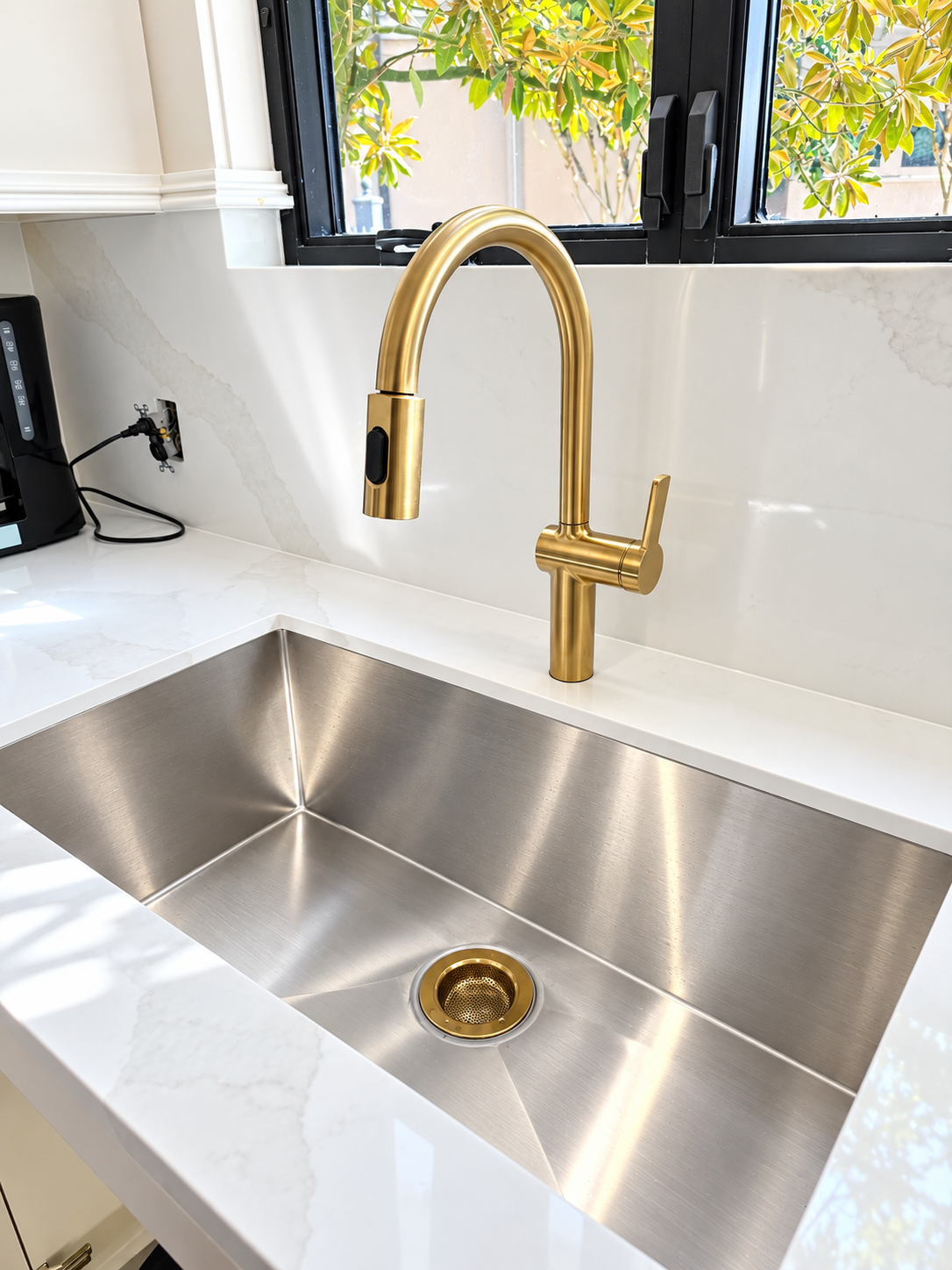
A faucet that drips at the spout or weeps around the base isn't just an annoyance—it's a sign that the internal cartridge, O-rings, or valve seat have worn past the point of reliable function. Lifetime Plumbing handles faucet and sink installation in Houston, covering everything from straightforward faucet replacements to full sink and vanity installations that require proper supply connections, drain assembly, and watertight sealing beneath the basin. The work applies to both kitchen and bathroom fixtures, and the approach changes based on whether the existing plumbing lines match the new fixture's configuration.
Faucet installation involves more than hand-tightening a supply line. The shutoff valves beneath the sink get inspected before the new faucet goes in—a corroded or stiff shutoff that fails during a future repair causes a bigger problem than the original faucet ever did. Sink installation requires setting the basin level, sealing the rim or undermount clips correctly depending on the sink type, and verifying that the drain assembly aligns with the existing drain line before completing the p-trap connection. Vanity installations add cabinetry placement to the sequence, which affects how supply lines route and whether shutoffs need to be repositioned.
Request an on-site estimate to review your existing plumbing configuration and confirm which fixture options are compatible with your current setup..
How Faucet and Sink Work Is Done Correctly
Leak-free faucet performance depends on how connections are made at the supply lines and how the cartridge or valve body seats inside the faucet housing. Compression fittings over-tightened during installation can crack fittings over time, while under-tightened connections leak immediately—threading supply lines by hand first and torquing to the manufacturer's specification is the correct sequence, not finger-tight plus a full turn based on guesswork. For three-hole sinks where a single-handle faucet is being installed, deck plates and escutcheons need to be sealed to the sink surface to prevent water from tracking into the cabinet below through the unused holes.
After installation is complete, the faucet handle should move smoothly through the full temperature range with consistent water pressure at every position, and the drain should clear without water backing up into the basin. Beneath the sink, all supply connections and drain joints should be dry after running water for several minutes—any moisture at a joint indicates a connection that needs to be redone rather than wrapped in tape and left.
For homeowners managing installation costs, financing is available starting at twenty-two dollars per month, which makes faucet and vanity sink projects more manageable without delaying work on fixtures that are already leaking or draining poorly. Faucet replacement without sink work and full vanity installations with new sink basins are both within scope—the difference in labor and materials depends on how much of the existing plumbing beneath the sink needs to be reconfigured to fit the new fixture's supply and drain specifications..
What Homeowners Usually Ask Before Fixture Installation
These questions come up frequently when Houston homeowners are planning faucet or sink work, particularly when updating older fixtures or remodeling a bathroom or kitchen.
- What should I check before purchasing a replacement faucet? Measure the number of mounting holes in your existing sink and the distance between them—most faucets are designed for one-hole or three-hole configurations, and buying the wrong one means either drilling the sink or purchasing an adapter plate before installation can proceed.
- How is a vanity sink installation different from replacing a drop-in basin? Vanity installations involve coordinating the cabinet placement, supply line routing, and drain rough-in height before the basin is set, whereas a drop-in replacement primarily requires sealing the rim and reconnecting existing drain and supply lines that are already in position.
- Why does water pressure drop after a faucet replacement? Aerator screens on new faucets can collect debris from disturbed pipe sediment during installation—removing and rinsing the aerator typically restores full flow within minutes of noticing the reduction.
- When is sink repair a better option than full replacement? Repair makes sense when the basin itself is structurally sound and the issue is limited to a leaking drain basket, a cracked p-trap, or a worn supply connection—replacement becomes the practical choice when the sink surface is damaged, the basin doesn't drain properly due to poor slope, or the fixture is being updated as part of a broader remodel.
- How does Houston's water chemistry affect faucet longevity? Houston's water supply carries elevated mineral content in many areas, which accelerates scale buildup inside cartridges and aerators—faucets in homes without water treatment often show reduced performance earlier than the manufacturer's expected service life suggests.
Lifetime Plumbing can handle your faucet or sink installation from start to finish, including assessing what's underneath the existing fixture before any new hardware goes in—connect with the team to arrange a visit and get a clear picture of what the work involves.